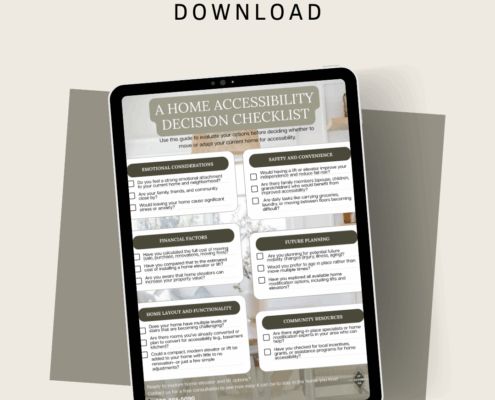
When Accessibility Becomes an Afterthought

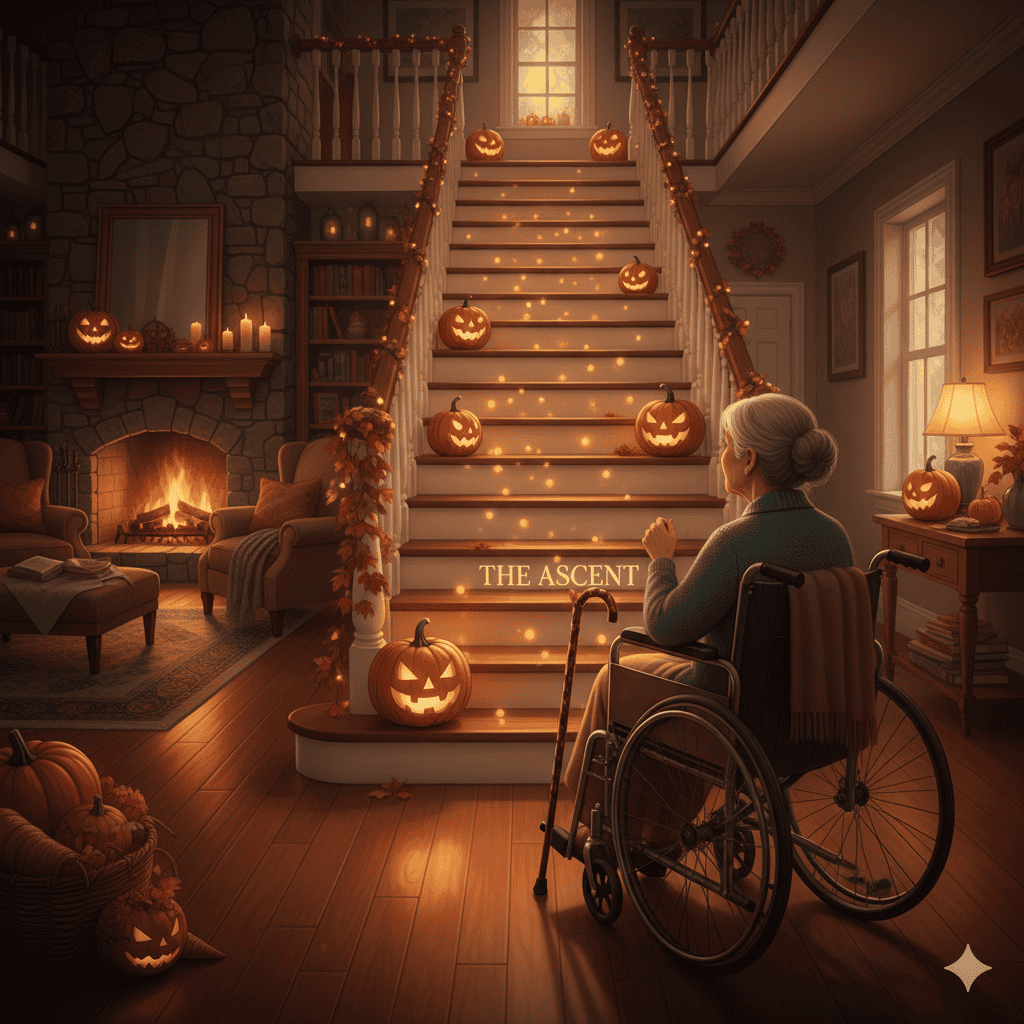
Mobility challenges can arise unexpectedly — a temporary injury, a progressive condition, or simply the natural effects of aging. Too often, accessibility is only considered after a crisis, when retrofitting becomes more complex and expensive.

That’s why proactive design thinking is essential. An accessible home isn’t just a functional one — it’s a home that adapts gracefully to every stage of life.

And the best part? Today’s accessibility solutions blend design, comfort, and technology so seamlessly that they elevate the look and feel of a home, not detract from it.

Accessibility Solutions That Work — and Look Good Doing It

Stair Lifts

The simplest upgrade with the biggest impact. Stair lifts offer immediate accessibility without structural changes — a great option for retrofits and remodels. Modern units feature slim profiles, smooth rails, and finishes that complement existing interiors.

For builders and remodelers, stair lifts are a practical add-on that preserves client independence and reduces fall risk.

Vertical Platform Lifts (VPLs)

For wheelchair or scooter users, VPLs offer access where ramps aren’t feasible — porches, garages, or split-level entries. They provide a clean, compact solution that enhances curb appeal rather than detracting from it.

Architects can easily integrate VPLs into new builds or exterior design plans for a sleek, functional look.

Shaftless or Through-the-Floor Elevators

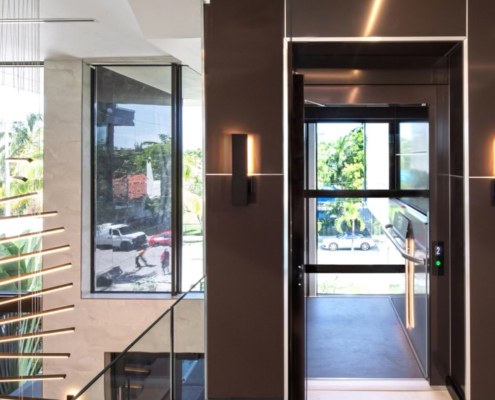
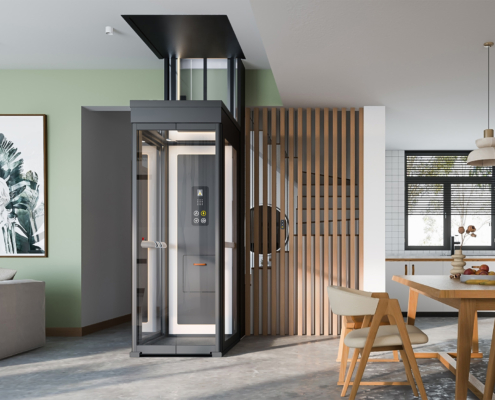
These innovative systems are perfect for clients who want the convenience of an elevator without a full hoistway. Installed between two floors, they take minimal space, operate quietly, and offer a contemporary aesthetic.

Realtors: homes with these features are increasingly desirable for aging-in-place buyers and those looking for long-term comfort.

Traditional Inline Gear Drive Elevators

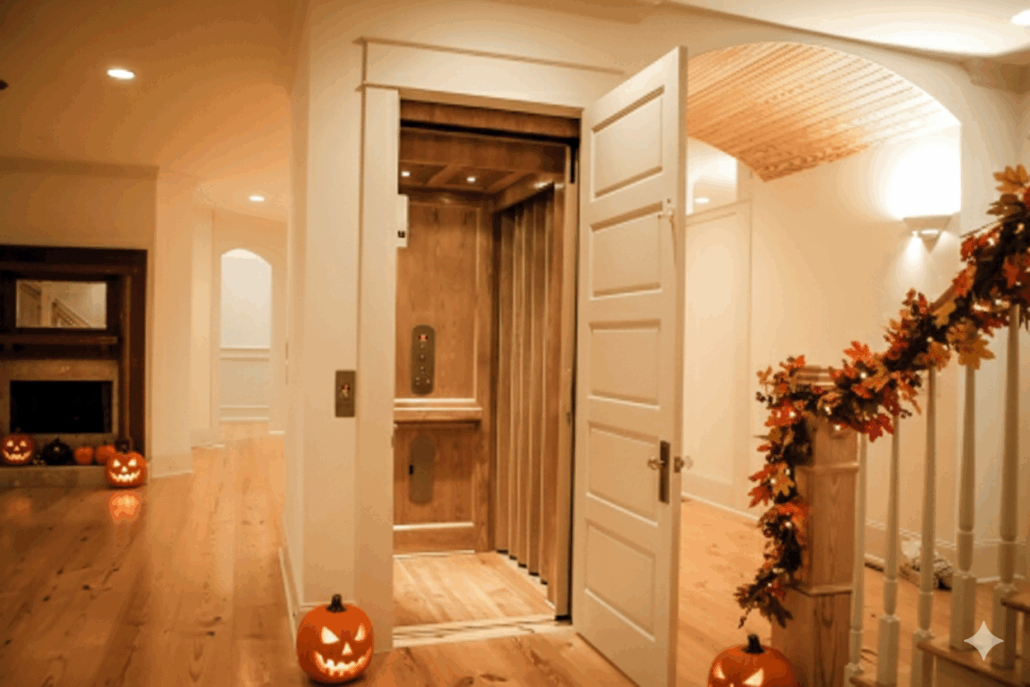
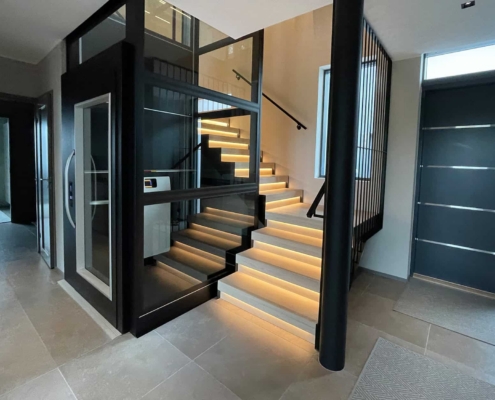
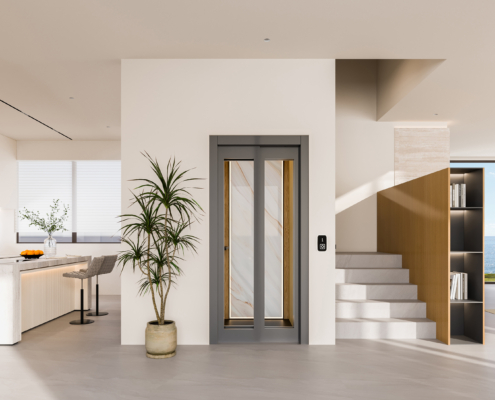
When planning new construction or large-scale remodels, a traditional inline gear drive elevator remains the gold standard in residential mobility. It provides full accessibility, long-term reliability, and an opportunity for design customization — from modern glass walls to traditional wood cab finishes.

Integrating an elevator early in the design process not only adds functionality but also boosts property value.
Why Accessibility Matters — and Why It’s Good Business

Incorporating accessibility features isn’t just compassionate — it’s smart.
The aging-in-place market is growing rapidly. By 2030, one in five Americans will be over 65. These homeowners are looking for ways to stay in their spaces comfortably and safely.

Professionals who anticipate that need — by designing or selling homes with flexible accessibility solutions — are positioning themselves at the forefront of a massive market shift.

Accessibility is no longer niche; it’s becoming a standard of good design.

The Takeaway

This Halloween, while the rest of the world celebrates ghosts and ghouls, let’s confront a different kind of horror — homes that don’t work for the people who love them most.

By working together — builders, architects, realtors, and accessibility experts — we can make sure every home tells a story of independence, safety, and thoughtful design.

Because no one should feel trapped in their own home.

Partner With Us

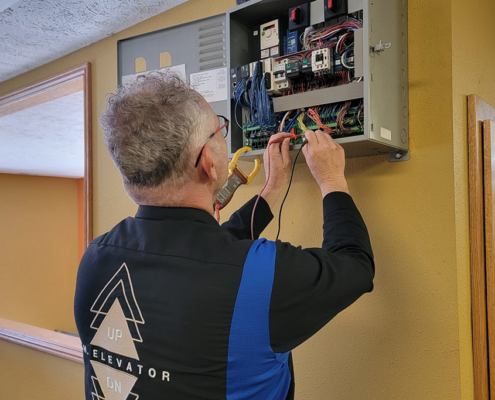
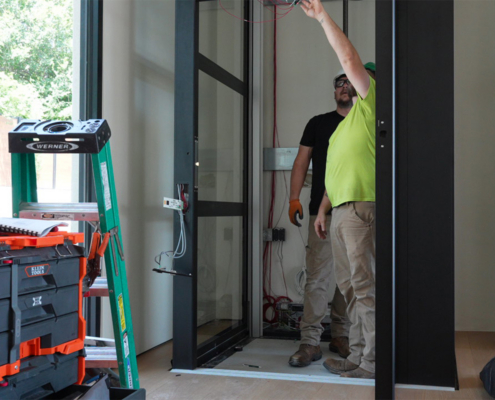
We collaborate with design teams and builders to create custom, code-compliant, and beautiful accessibility solutions — from stair lifts to full residential elevator systems.

Let’s make accessibility an integral part of every home story. Contact us today to learn more about partnering on your next project.

 📧 Fill Out a Form | 📞 Call Us at 800-898-5090

"*" indicates required fields

More Like This

retrofit residential elevator installed in an existing two-story home
veterans day country home elevator
Accessibility