1. Frequent Breakdowns and Repairs

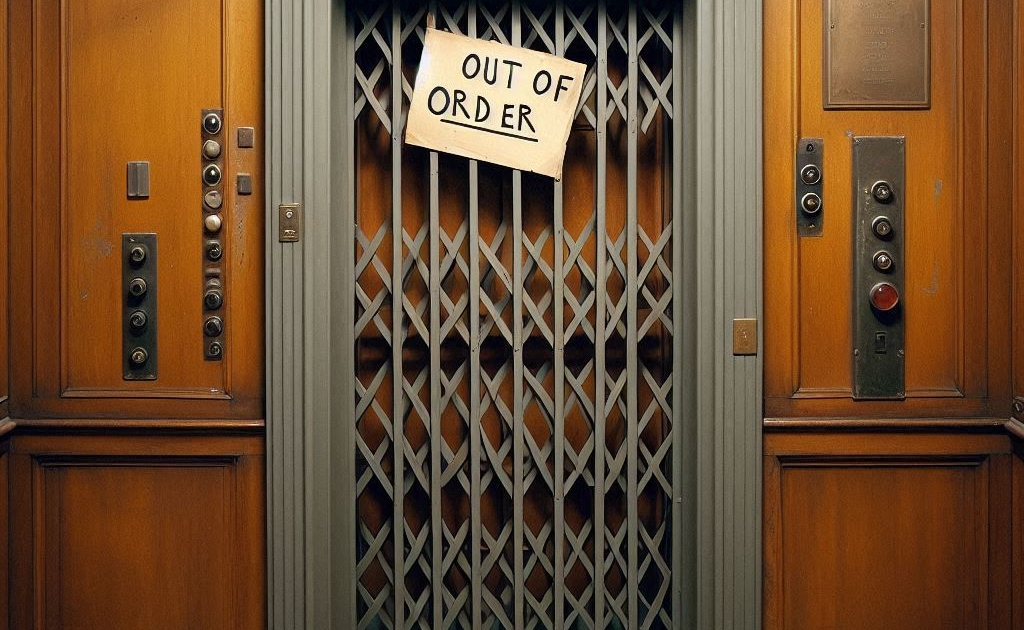
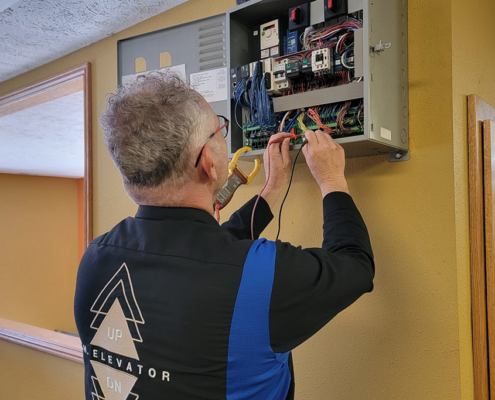
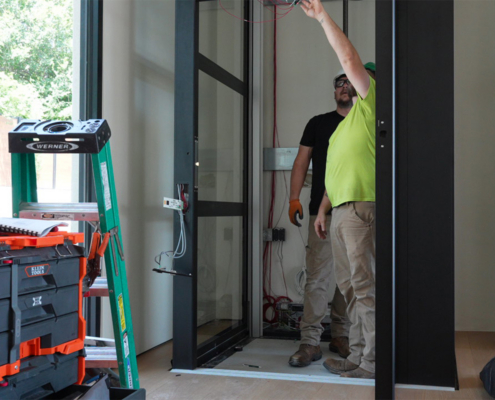
If your elevator requires frequent repairs or seems to break down regularly, it could be a sign that the system is wearing out. Older parts may be harder to find, and repair costs can start to add up. Instead of continually patching things up, upgrading to a newer model can save you money in the long run and provide peace of mind.

What to look for:
Frequent service calls, rising repair costs, and recurring mechanical issues.

2. Slow or Jerky Operation

A well-functioning elevator should move smoothly and efficiently between floors. If you notice your elevator slowing down, experiencing jerky movements, or taking longer to reach its destination, these could be signs of mechanical wear or outdated technology. Modern elevators are designed to operate seamlessly, so upgrading can greatly improve the ride experience.

What to look for:
Uneven or jerky rides, longer-than-normal wait times between floors, or sluggish operation.

3. Increased Noise Levels

Has your elevator become noisier over time? Older elevators tend to make more noise as their components wear down or as outdated parts struggle to perform. Grinding, squeaking, or unusual mechanical noises are all signs that it might be time to consider an upgrade.

What to look for:
Increased noise during operation, including grinding, squeaking, or rattling sounds.

4. Outdated Technology and Controls

If your home elevator still uses outdated control panels or lacks modern safety features, it may be time for an upgrade. Today’s elevators come equipped with user-friendly touch screens, emergency features, and more advanced control systems that enhance both safety and convenience.

What to look for:
Old-fashioned push buttons, lack of emergency features, or outdated control panels.

5. Lack of Safety Features

Safety should always be a top priority when it comes to your home elevator. If your system lacks modern safety features—like emergency braking systems, telephone communication in case of an emergency, or automatic leveling—it may not meet today’s safety standards. Upgrading ensures that you and your family are protected.

What to look for:
No emergency phone, outdated braking systems, or failure to comply with current safety regulations.

6. Energy Inefficiency

Older elevators tend to consume more energy, leading to higher electricity bills. Newer models are designed with energy efficiency in mind, using less power while delivering better performance. If your utility costs are rising, or you’re looking to reduce your carbon footprint, upgrading to an energy-efficient model could be the solution.

What to look for:
High energy consumption, outdated motors, or older lighting that hasn’t been switched to LEDs.

7. Limited Accessibility Features

As homeowners age or mobility needs change, having an elevator that meets accessibility standards is essential. If your current elevator doesn’t have features like a wide enough door, low-profile control buttons, or easy entry and exit for wheelchairs, it may be time for an upgrade. Modern elevators offer customizable options that make them accessible for everyone.

What to look for:
Narrow doorways, hard-to-reach controls, or lack of space for wheelchairs or other mobility devices.

8. Aesthetic or Design Concerns

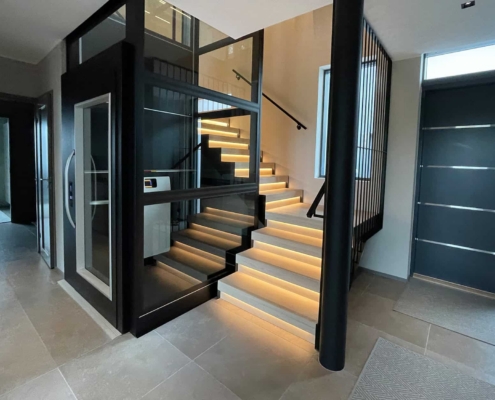
If your elevator is looking dated, it may clash with the rest of your home’s modern décor. Upgrading doesn’t have to be purely functional—many homeowners choose to install custom elevators with modern finishes that complement their home’s style. From sleek glass enclosures to wood-paneled interiors, new elevators offer plenty of options to match your design preferences.

What to look for:
Outdated finishes, wear and tear on interior surfaces, or an elevator style that no longer matches your home’s aesthetic.

9. Space Limitations

Older elevators often come with limited space inside the cab. If your elevator feels cramped or you’ve had a change in mobility needs that require more room, it might be time to explore newer models. Many modern elevators offer larger, more spacious designs, giving you the comfort and accessibility you need.

What to look for:
Cramped interiors or a lack of space for mobility devices or extra passengers.

10. Difficulty Finding Replacement Parts

As home elevators age, it can become increasingly difficult to find replacement parts, especially if the manufacturer no longer produces that model. When parts are discontinued, repairs can be delayed or cost more, making regular maintenance a challenge. Upgrading to a newer model ensures that you have access to readily available parts for future maintenance.

What to look for:
Difficulty sourcing parts, longer repair times, or high costs for replacing old components.

Ready for an Upgrade?

If your home elevator is showing any of these signs, it may be time to explore your options for an upgrade or replacement. At C. H. Elevator, we specialize in providing custom solutions that fit your home’s design, space, and functionality needs. Whether you’re looking to install a new system or upgrade an existing one, our team can guide you through the process.

Give us a call today to learn more about upgrading your home elevator and ensuring it operates smoothly for years to come.

"*" indicates required fields

More Like This

retrofit residential elevator installed in an existing two-story home
veterans day country home elevator
staircase
Accessibility