Home Elevator vs Stair Lift: Cost, Lifespan, and Long-Term Value

If you’re researching home elevator vs stair lift, you’re making a decision that will affect your home, your finances, and possibly your long-term mobility. The question isn’t just which option works; it’s which one makes sense for your lifestyle and future plans.

When comparing home elevator vs stair lift, the answer depends on more than upfront pricing. It requires evaluating cost, lifespan, convenience, resale impact, and how your mobility needs may evolve over time.

Understanding the Core Difference

At first glance, both options serve the same purpose of helping you move safely between floors. But when comparing home elevator vs stair lift, the design, function, and long-term implications are significantly different.

What a Stair Lift Is

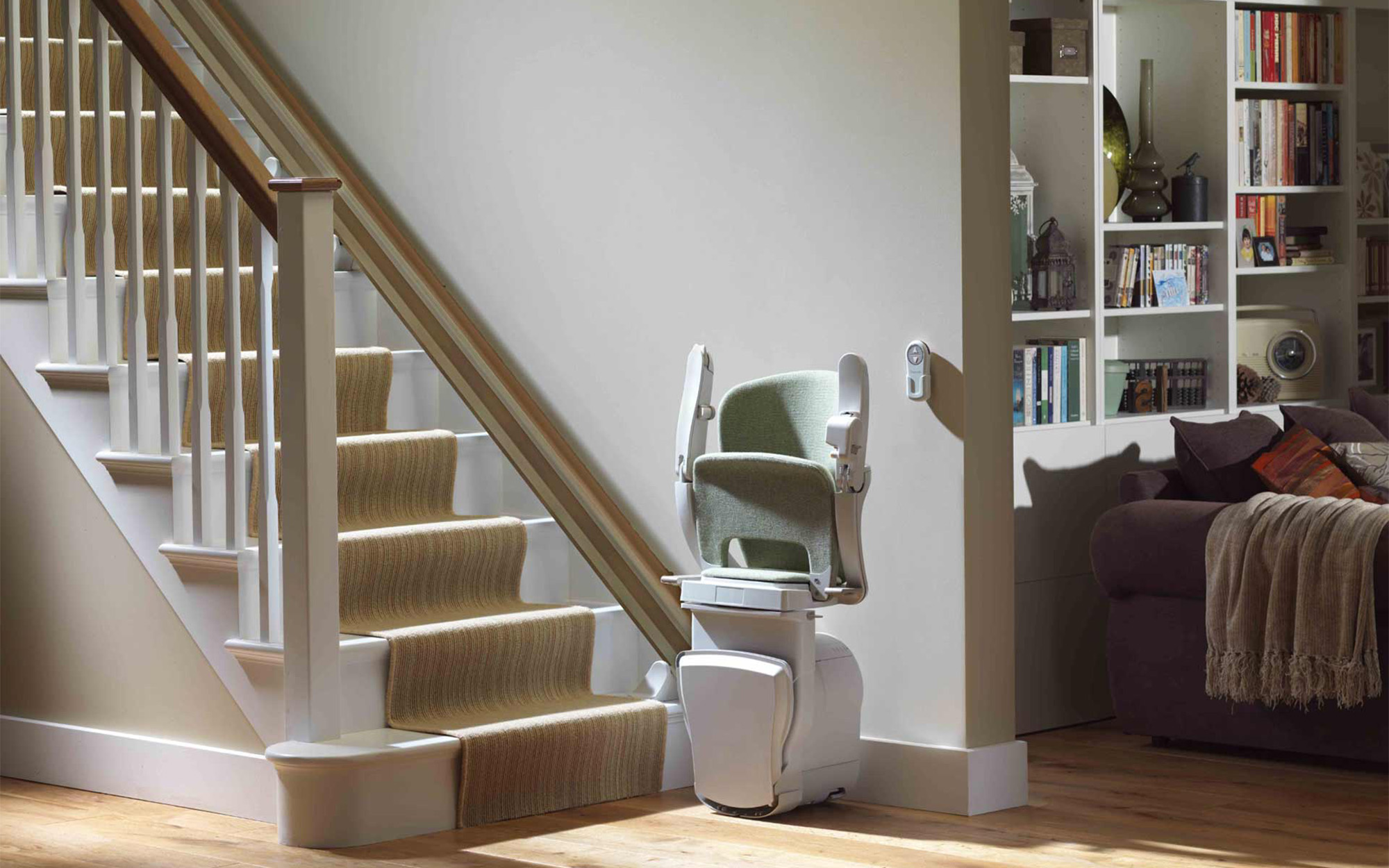
A stair lift is a motorized chair that travels along a rail mounted to your staircase. It’s typically designed for one person at a time and is installed directly onto the stair treads. Stair lifts are often considered one of the more accessible home accessibility options because installation is relatively quick and minimally invasive.

However, the device is visible and permanently attached to the staircase structure. While it provides essential mobility support, it functions more like assistive equipment than a structural home upgrade.

What a Home Elevator Is

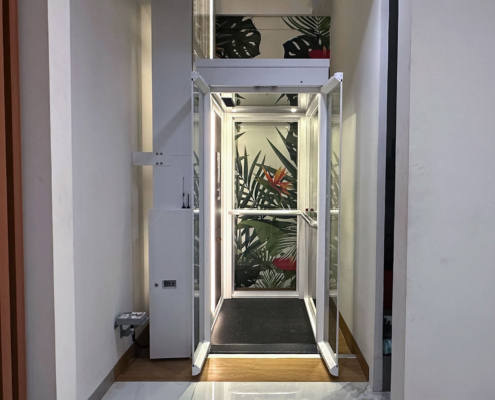
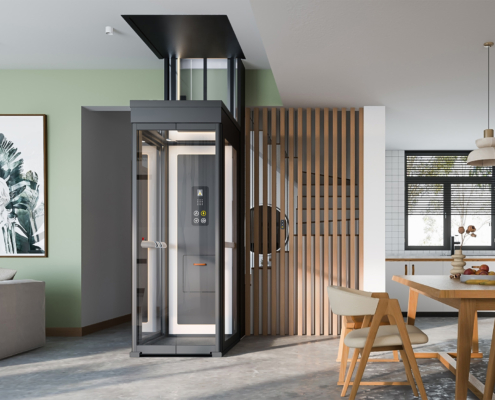
A home elevator is a vertical lift system enclosed within a shaft or hoistway, transporting people between floors with the push of a button. Modern residential elevators are available in various sizes and finishes, and many are designed to blend seamlessly into the home’s architecture.

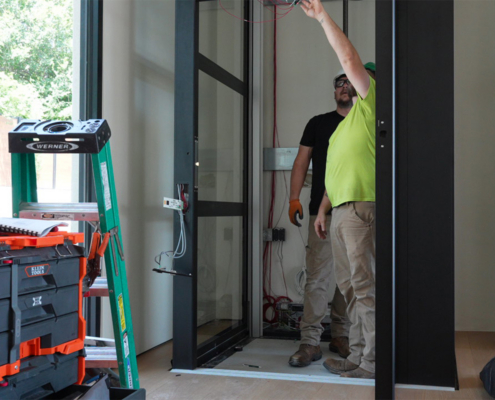
Home elevator installation is a more involved process than installing a stair lift, but it results in a permanent structural improvement. Unlike a stair lift, an elevator can transport multiple passengers, mobility devices, groceries, or luggage.

The Fundamental Difference Between Stair Lift and Elevator

The true difference between stair lift and elevator systems lies in permanence and versatility. A stair lift is typically a mobility solution for a specific individual. A home elevator, on the other hand, is a long-term home improvement that serves everyone in the household.

When evaluating home elevator vs stair lift, think in terms of equipment versus infrastructure. One assists with mobility. The other enhances the structure of the home itself.

Side-by-Side Comparison

Feature Stair Lift Home Elevator
Installed Cost Range $3,800–$5,900 for inside units. Straight outdoor units $8,000-$9,000 and $14,000-$19,000 for a curved outdoor lift. $35,000–$60,000+ depending on design
Lifespan 7–15 years 20–30+ years
Ideal For Temporary or moderate mobility needs Long-term or progressive mobility planning
Multi-User Use One person at a time Multiple users, mobility devices, cargo
Resale Impact May need removal for resale Often viewed as luxury upgrade
Aesthetic Impact Visible rail and chair Customizable and integrated design
Power Outage Battery backup common Emergency lowering or backup systems available
Maintenance Expectations Basic service, battery replacement Stair lifts typically have a 10 year lifespan with routine maintenance.
Space Requirements Uses existing staircase Requires shaft or designated space

Stair lifts work well for limited mobility, but they become difficult or impossible to use as needs progress. If a walker or wheelchair enters the picture, a stair lift is no longer a viable option and many homeowners find themselves investing in an elevator anyway, spending twice when one decision upfront could have covered both.

Cost Comparison: Short-Term vs Long-Term Investment

The most common deciding factor in the home elevator vs stair lift debate is price. The in-home stair lift cost is typically far lower upfront. Straight stair lifts may start around $3,800 installed, while curved systems can reach $10,000 or more depending on the staircase layout.

In contrast, home elevator cost varies significantly based on size, finish, and structural requirements. Most residential elevators range between $35,000 and $60,000 installed, with higher-end models exceeding that range. At first glance, the difference appears dramatic.

However, evaluating the cost of a home elevator vs stair lift requires looking beyond installation. Consider long-term ownership:

  • Stair lifts often need replacement at 10 years
  • Curved rail systems are more expensive to install and repair
  • Stair lifts may need removal before selling the home
  • Elevators often last decades with proper maintenance
  • Elevators can increase property value in certain markets

When viewed as a long-term investment, a home elevator can provide decades of use while serving multiple family members. The stair lift vs elevator cost question becomes less about initial pricing and more about longevity and resale implications.

Considering an accessibility upgrade? Explore C.H. Elevator’s residential elevator installation services to learn how our home elevators can be integrated into your space with long-term planning in mind.

Which Option Fits Your Mobility Needs?

Cost is important, but mobility level often determines the right solution in the home elevator vs stair lift decision.

Temporary or Mild Mobility Challenges

For homeowners recovering from surgery or managing minor balance issues, a stair lift can provide practical support. It allows continued use of the home without significant renovation. In these cases, an in-home stair lift cost may feel justified for short-term needs.

Progressive or Long-Term Mobility Planning

If mobility concerns are likely to progress, or if aging in place is a long-term goal, a home elevator offers greater adaptability. When deciding between elevator or stair lift systems for permanent planning, versatility becomes critical.

Multi-User Household Needs

Stair lifts are generally single-user devices. If multiple family members have mobility concerns, coordinating use can be inconvenient. A home elevator accommodates multiple riders and cargo. In multi-story homes where daily traffic between floors is frequent, an elevator provides convenience beyond mobility assistance.

Resale Value, Aesthetics, and Future Planning

One factor competitors often overlook is resale impact. A stair lift may need to be removed when selling the home, and buyers may view it as a temporary adaptation rather than a feature.

A well-designed home elevator, however, can enhance perceived luxury. In certain markets, elevators are viewed as forward-thinking upgrades that support aging in place and long-term accessibility. For homeowners evaluating home accessibility options, this distinction matters.

Power Outages and Maintenance Expectations

Stair lifts typically include battery backup systems that allow operation during short power outages. However, batteries require periodic replacement and inspection. Maintenance is generally minimal but may increase as components age.

Home elevators also include emergency lowering systems and optional backup power solutions. Because they are structural systems, they require scheduled professional maintenance similar to other mechanical systems in the home. While this represents ongoing responsibility, it also ensures consistent performance over decades.

The difference between stair lift and elevator maintenance expectations reflects their complexity. One is a consumer device. The other is a mechanical transportation system.

Elevator or Stair Lift: How to Make the Right Choice

If you’re still weighing home elevator vs stair lift, consider these decision factors:

  • Budget Today vs Budget Over Time. Evaluate not only upfront installation costs but long-term ownership expenses.
  • Projected Mobility Changes. Think realistically about future needs rather than current limitations alone.
  • Home Layout and Design Goals. Consider whether visible equipment or integrated architecture aligns with your preferences.
  • Resale Plans. Determine whether you plan to sell within a few years or stay long term.
  • Household Usage. Assess whether the system must accommodate more than one person.

When comparing home elevator vs stair lift, the right answer depends on how you define value. For some, affordability today is the deciding factor. For others, long-term flexibility and structural enhancement matter more.

Speak With a Specialist at C.H. Elevator Before Making Your Final Decision

Choosing between home elevator vs stair lift is a long-term planning decision that affects comfort, mobility, and home value. If you’re exploring residential mobility upgrades, connect with C.H. Elevator to discuss your goals and evaluate whether a stair lift or a home elevator installation is the right solution for your home and budget.

More Like This

retrofit residential elevator installed in an existing two-story home