Panoramic and Glass Home Elevators: Design, Architecture, and What to Know Before You Buy

A glass elevator in a home is one of those rare design decisions that changes the entire feel of a space. It’s a statement that only works when it’s planned well. When it’s not, the problems tend to be structural, visual, and expensive. This article is for buyers who are still in the design phase and want to understand exactly what they’re choosing before the decisions get made for them.

Cibes Symmetry Vertical Platform Lift installed by Country Home Elevator providing safe home access for veterans in Arkansas

Glass Home Elevator Categories

Buyers routinely conflate three distinct product categories, and that conflation leads to mismatched expectations, budget surprises, and installations that don’t deliver what was originally envisioned. Here’s how they actually differ.

Glass Cab in an Enclosed Hoistway

This is the most common configuration and the one most buyers picture when they search for a residential glass elevator. The cab itself features glass panels on some or all sides, but it travels through a traditional enclosed hoistway built into the home’s structure. The visual effect is felt primarily from inside the elevator, and from the exterior, the elevator looks like any other built-in system. This is a strong choice for homes where the elevator is positioned within a wall cavity or interior shaft and the design priority is interior elegance rather than architectural spectacle.

Partially Glazed Systems

Partially glazed elevators introduce glass into both the cab and portions of the hoistway structure, creating visibility between the elevator and the surrounding space. The effect is more dynamic than a glass cab alone. These systems work particularly well in homes where the elevator is adjacent to an open interior space like a stairwell void or a two-story great room, where partial transparency creates a sense of movement and life in the architecture without requiring a fully open hoistway on all sides.

True Panoramic Elevators

A true panoramic home elevator features transparent construction in both the cab and the hoistway, so the system is visually open from all sides at all floors. This is the most architecturally ambitious option. When it works, the elevator becomes a designed object within the home, not just a functional component. True panoramic systems require more deliberate placement planning than any other elevator type, and that planning needs to start at the blueprint stage, not after.

Where You Place It Changes Everything

Of all the decisions involved in a glass home elevator project, placement is the one that most buyers underestimate, and the one that most directly determines whether the final result is exceptional or merely expensive.

A panoramic or partially glazed system installed in the center of an open-concept staircase void interacts with natural light from above, creates visual continuity between floors, and gives the staircase a reason to exist beyond pure function. That same system placed against an exterior wall with a view transforms the elevator ride into an experience, particularly in homes with significant landscape or skyline exposure. A custom-designed home elevator positioned in an interior atrium or double-height entry can anchor the entire first impression of the home.

Each of these placements carries different structural implications, different framing requirements, and different relationships to natural and artificial light. They are not interchangeable, and choosing one without thinking through the architectural consequences is how well-intentioned projects produce underwhelming results.

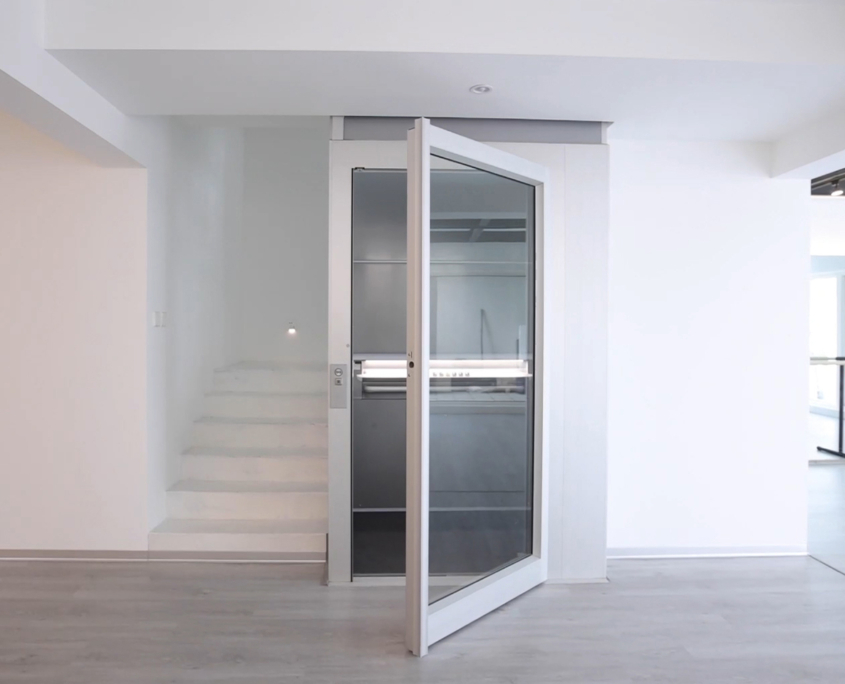
The specialty and custom elevator installations C.H. Elevator handles run the full range of glazing options and configurations, and the luxury home elevator design conversation starts well before the equipment does. Explore our options to get started.

The Privacy Question, Answered Honestly

Privacy is the concern that comes up in nearly every glass elevator consultation. It’s a legitimate question, particularly in homes with multiple residents or frequent guests, and the answer is more nuanced than most buyers expect.

The options currently available include:

  • Standard tinted glass: A solar or privacy tint applied to the glass panels that reduces transparency without eliminating it. Tint levels vary and can be specified to match the glazing used elsewhere in the home for visual consistency.
  • Frosted or etched lower panels: A common approach for buyers who want full transparency at eye level and above but prefer opacity at the lower portion of the cab. This maintains the visual openness of a glass home elevator while addressing the most common modesty concern practically and elegantly.
  • Electrochromic (switchable) glass: The most sophisticated option currently available. Electrochromic glass can switch between transparent and opaque states on demand, either via a wall switch or integrated into the home’s smart system. For buyers building a fully automated home environment, this is the option worth knowing about.

The right choice depends on where the elevator is placed, how visible it is from primary living areas, and how the rest of the home handles transparency and privacy

What Your Architect Needs to Know

Glass elevator systems impose structural and architectural requirements that differ meaningfully from standard residential elevator installations, and most of those requirements need to be resolved at the design stage. Here’s what the conversation with your architect should cover.

Structural Requirements

Glass and panoramic systems are heavier than their enclosed counterparts. That load has to be accounted for in the floor structure at every landing, the overhead support system, and the foundation or pit design at the base of the run. For luxury elevators for homes built on slab foundations or with finished basements directly below the elevator footprint, this is a structural conversation that needs to happen before concrete is poured.

Hoistway Framing

In a standard installation, the hoistway is an enclosed structural cavity; its interior doesn’t need to be finished, because no one sees it. In a glass system, everything inside the hoistway is visible. Architects and builders working on custom home elevator installations with glass hoistways need to plan for finished, visually intentional hoistway interiors, and the structural framing needs to accommodate that without creating obstructions in the sightlines.

Light Management

A glass elevator on an exterior wall or adjacent to a skylight introduces direct sunlight into the cab and, depending on orientation, can create glare and heat gain that make the elevator uncomfortable to use during certain times of day. Solar orientation matters. An architect who has worked with floor-to-ceiling glazing in residential projects will have the vocabulary for this conversation, and it’s worth having before the exterior wall placement is locked.

Products Worth Knowing About

The Savaria Vuelift is the product most buyers encounter first when researching glass home elevator options, and for good reason. Its cylindrical panoramic cab design is one of the most architecturally striking residential elevator products on the market. It’s a true statement piece that functions as both a sculptural object and a fully operational custom home elevator.

For buyers drawn to a more customizable glazed system, the Cibes Symmetry line offers partial and full glazing configurations across multiple cab sizes, with over 250 finish options that allow the elevator to be tuned to the specific design language of the home.

What It Actually Costs

A glass home elevator installation runs higher than a comparable standard install. The glass itself is a premium material with a premium price point. Hoistway finishing requirements in transparent systems add cost that simply doesn’t exist in enclosed installations. Structural modifications to accommodate the additional weight and the visual requirements of a glass hoistway add to the builder coordination scope.

The honest framing is that a glass home elevator in a custom home is an architectural decision with architectural-level costs. Buyers who understand that going in, and who are working with a builder and elevator specialist who are coordinating from the blueprint stage, consistently report that the result is worth the investment. Buyers who treat it as a standard elevator with nicer glass tend to be surprised.

Start the Design Conversation With the C.H. Elevator Team

The buyers who end up with glass elevator installations they’re genuinely proud of are almost always the ones who started the conversation early. C.H. Elevator works with custom home buyers, architects, and builders across Missouri, Arkansas, Oklahoma, Kansas, and Illinois to design and install glass and panoramic elevator systems that feel like they were always part of the home.

Reach out to our team to schedule a design consultation. Bring your floor plans, your questions, and your vision for the space, and we’ll help you figure out exactly what’s possible.

More Like This

Cibes Lift Group
elevator misconceptions
lift design award
KC Showroom